Our Story
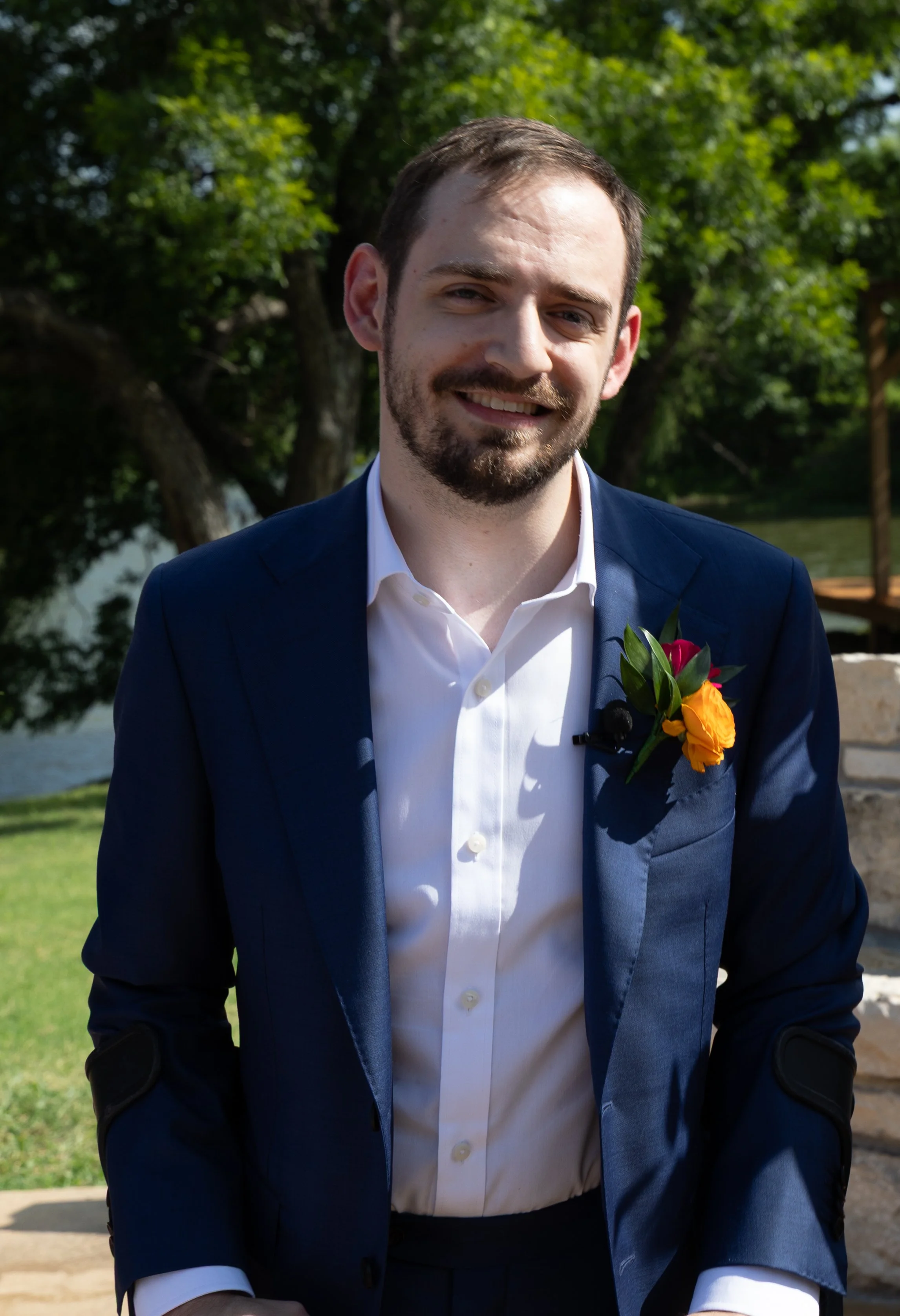
I I have always wanted to build things. As a kid, I was drawn to the way engineers and makers could take raw materials and will something useful — something real — into existence. That drive never left me. But for a long time, the tools didn’t exist to let me act on it.
I have cerebral palsy. For me, that means limited dexterity and muscle spasticity — the kind of physical reality that makes a lot of maker activities genuinely difficult or impossible. Woodworking, fabrication, fine assembly work — these things require precise, controlled hand movements that CP can make unreliable or painful. The maker world was designed for hands that work a certain way. Mine don’t always cooperate.
“I didn't want a workaround. I wanted a workbench."
So I decided to build one. Not just for myself — for every person with a physical disability who has ever looked at a makerspace and felt like it wasn’t built for them. Because it probably wasn’t.
Why Adaptive Artisans exists
Adaptive Artisans was founded in 2026 on a simple but radical idea: that physical disability should never be the reason someone can’t make, build, or create. The maker movement has done incredible things for access to STEM education and hands-on learning — but it has largely left behind the people who need adaptive tools the most.
Our flagship project, the Assisted Maker’s Workbench is a precision robotic workstation designed from the ground up for people with limited hand mobility, limb differences, and other physical challenges. It isn’t a modified version of something that already existed. It’s being engineered specifically because nothing adequate did.
The AMW isn’t limited to STEM or fabrication work. It’s designed to support the full range of what people make — woodworking, electronics, leatherwork, quilting, crafting, and whatever else someone wants to create. If it requires hands that cooperate consistently, the AMW is built to help with that.
Where we are now
We are four months old. The AMW is in active development, and we are building toward our first deployments in schools, vocational programs, rehabilitation centers, and directly into the hands of individual makers. We don’t have a long track record yet — but we have a clear mission, a growing team, and a founder who has spent a lifetime waiting for this tool to exist.
We think that’s a pretty good place to start.